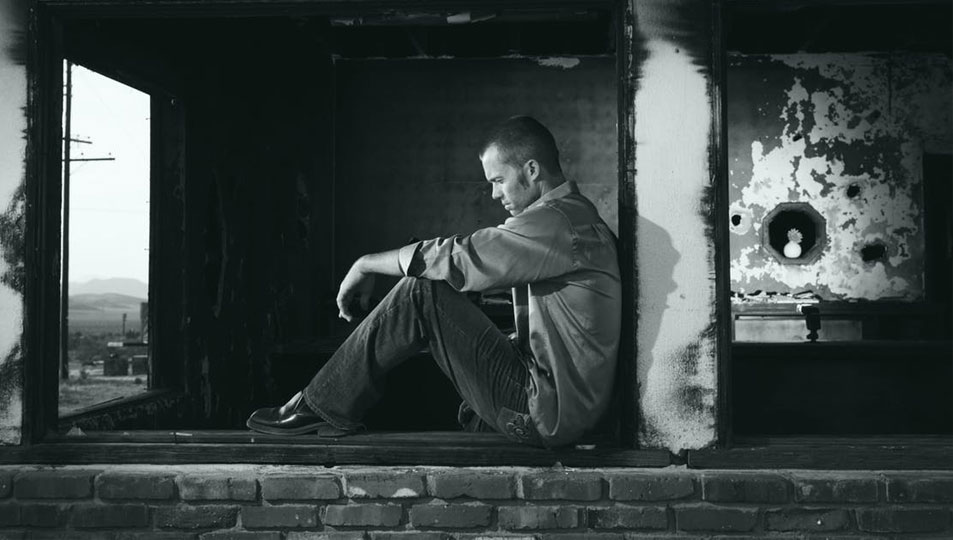
Why is depression in men brushed off? How does toxic masculinity have a direct corelation to depression?
Mental health has been something that is only talked about within women. It is rare for men to even be allowed to speak out about their mental health, let alone be a part of the conversation. Mental health problems in women are just as prevalent in men. That being said, men are less likely to seek help. This can be seen as a way of men continuing the toxic masculinity cycle that their parents/caregivers have set up for them.
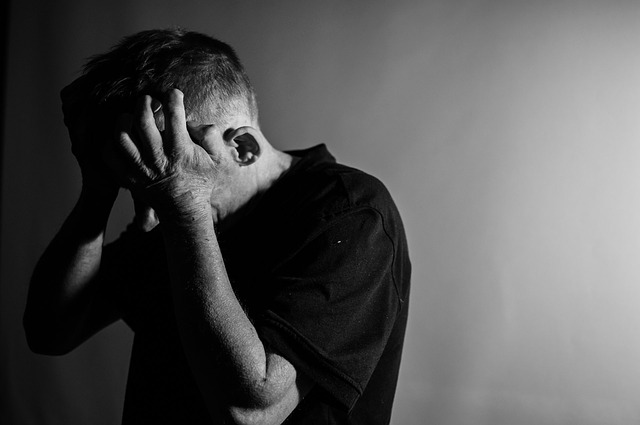
Mortality is affected by mental illness. According to Ed Warren, depression and anxiety are the most common mental disorders. Ed describes the severity of depression and believes that it all depends on the “number, duration, and severity of the symptoms” (Warren, 2017, p.25). Warren describe some symptoms for depression include:
- Fatigue/loss of energy
- Worthlessness/excessive or inappropriate guilt
- Recurrent thoughts of death, suicidal thoughts
- Diminished ability to think
- Psychomotor agitation or retardation
- Insomnia/hypersomnia
- Significant appetite/weight loss
As for the severity of depression, he also describes various types of depression:
- ‘Sub-threshold’ depression
- ‘Mild’ depression
- ‘Moderate’ depression
- ‘Severe’ depression
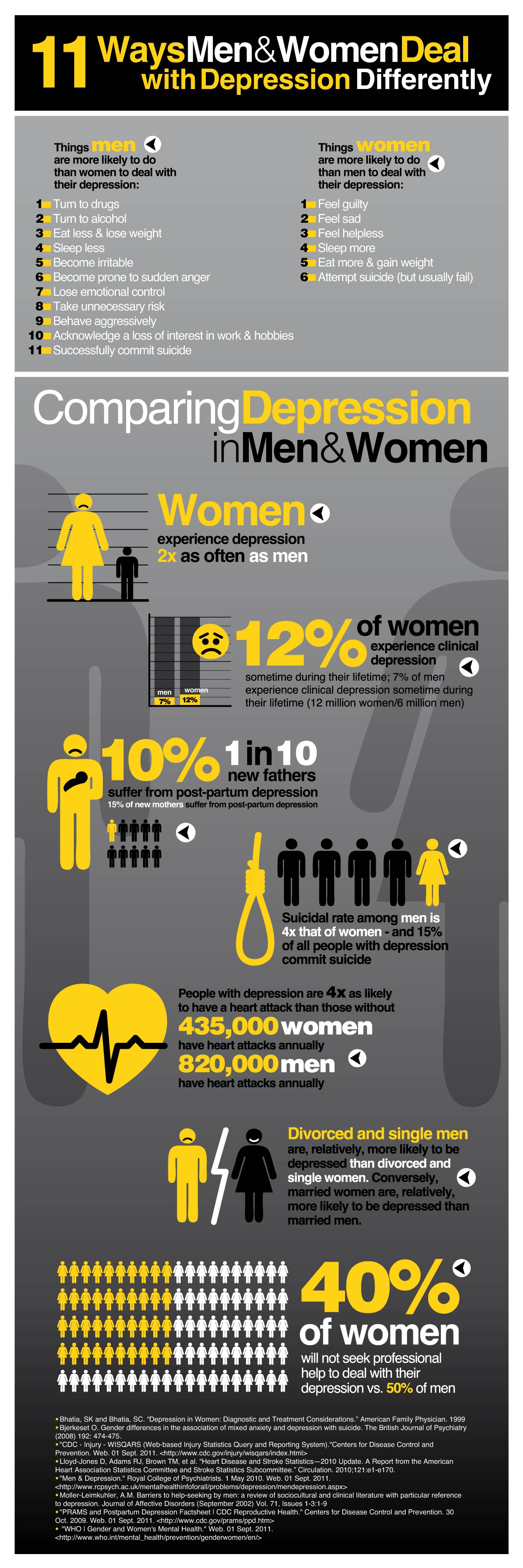
It is no secret that mental health can’t lead to suicide. However, it is surprising to hear that “13 men take their own life each day”. According to Ed Warren, men are prone to become addicted to drugs and it’s known that men under stress are “more likely than women to go in for hazardous behavior” (Warren ,2017, p.25). This may be purely because many people misinterpret the meaning of men being depressed. When men ‘come out’ and speak about their mental health, they are labeled as ‘crybabies’. On the other hand, when women speak out about any mental issues they face or have been facing, they automatically become labeled as brave women. Why is that? Toxic Masculinity.
In American culture, men have a difficult time in expressing their emotions because of the fear of retaliation from society. It all starts in their childhood. When young boys or even young children express their feelings, those around them begin attacking their persona and begin to bully that individual. It all stems from the parents perspective on gender norms and everything they believe a boy should ‘feel/be’. Exposing young boys to the same phrases such as; “man up”, “don’t be such a girl”, “you throw like a girl”, “ don’t be a cry baby” will only allow young boys to grow up feeling like they can not express how they feel on a day to day basis. Men’s feelings have been dismissed since the beginning of their lives. That being said , this can create mental issues due to repressing all those feelings.
By repressing feelings and bottling them up, men have not had a chance to speak about their mental issues. According to a study conducted by the University of Maryland School of Pharmacy, depression is a “common and disabling condition that affects 1 in 6 people over the course of their lives”( Alameida, Alfonso, Hankey, 2010, p.1). So the question isn’t whether women are more depressed than men. It is why toxic masculinity shaped the way men express themselves regarding depression.
Growing up with a very traditional Mexican American father my mental concerns were always deemed appropriate. That however cannot be said for my three brothers. In many traditional families men/boys can never speak out about their mental issues. They are faced with automatic dismissal, or even mental/physical violence. These types of situations are often what makes men have a constant need to repress their feelings. From an early age they have been told to not feel a certain way. How do we expect men to express their feelings if they are told from childhood to keep them inside?
Symbolic interactionist would view mental health as something that is socially constructed and that varies from time to time. They believe that meanings and labels can really affect the mental health of an individual. Since men are labeled as ‘crybabies’ if they speak out about mental health, it has affected the way men have expressed themselves. The way men get labeled when they talk about their mental health is the reason why men repress their feelings. This can ultimatley lead to depression. Society has put a label on them for speaking about it, thus making men only repress their emotions for fear of retaliation.
There is no doubt that mental health has been an ongoing problem that America has faced. That being said, when women speak out about their mental health they are applauded by both genders. However when men speak out they are usually shunned away and their mental issues are brushed off. They are seen as week. This level of toxic masculinity needs to be stopped. Society is often surprised when it comes to light that a man has suffered from depression. However that is where the issue lies. We shouldn’t be surprised when men speak out about their mental health. Men feeling depressed should be normalized.
Mental illness should be taken serious, no matter what gender.
Here are a few links that I found interesting and helpful when learning about depression.
- HealthLine discusses EVERYTHING you need to know about depression. Educate yourself!
https://www.healthline.com/health/depression#symptoms - Here is a ‘Depression Quiz’ that you could take that will help you find out whether you are depressed or not! (This website is not 100% accurate, consult a medical professional for proper results)
https://smokefree.gov/challenges-when-quitting/mood/depression-quiz - Here is a 24/7 depression hotline that you can text at anytime.
https://www.crisistextline.org/depression - Everybody needs a little boost of encouragement! Here is a video about depression and was created to motivate those who are going through depression. https://youtu.be/1I9ADpXbD6c
Works Cited
Warren, Ed. (2017).Men and Mental Health. Vol 47. Issue 11.Practice Nurse,1-2
Harvard Mens Health. (2010).Vol. 14 Issue 10, p3-7.
National Sexual ViolenceResource center
https://web-a-ebscohost-com.ezproxy.fcclib.nocccd.edu/ehost/detail/detail?vid=6&sid=31e76f27-e028-4ba9-aa15-b12c1c9125ee%40sdc-v-sessmgr02&bdata=JnNpdGU9ZWhvc3QtbGl2ZSZzY29wZT1zaXRl#AN=49165557&db=hxh

 Madeline's Blog